
Multi-entity organisations ask the wrong first question: not which system has the most features, but which one won’t fight your structure. Here is how we’d approach the decision.
Start with the entities, not the features
Before comparing feature lists, map what you actually have: how many legal entities, in which countries, on which statutory calendars, paying in which currencies. This sounds obvious, and it is the step most comparisons skip, because every vendor’s demo starts from a single, tidy company.
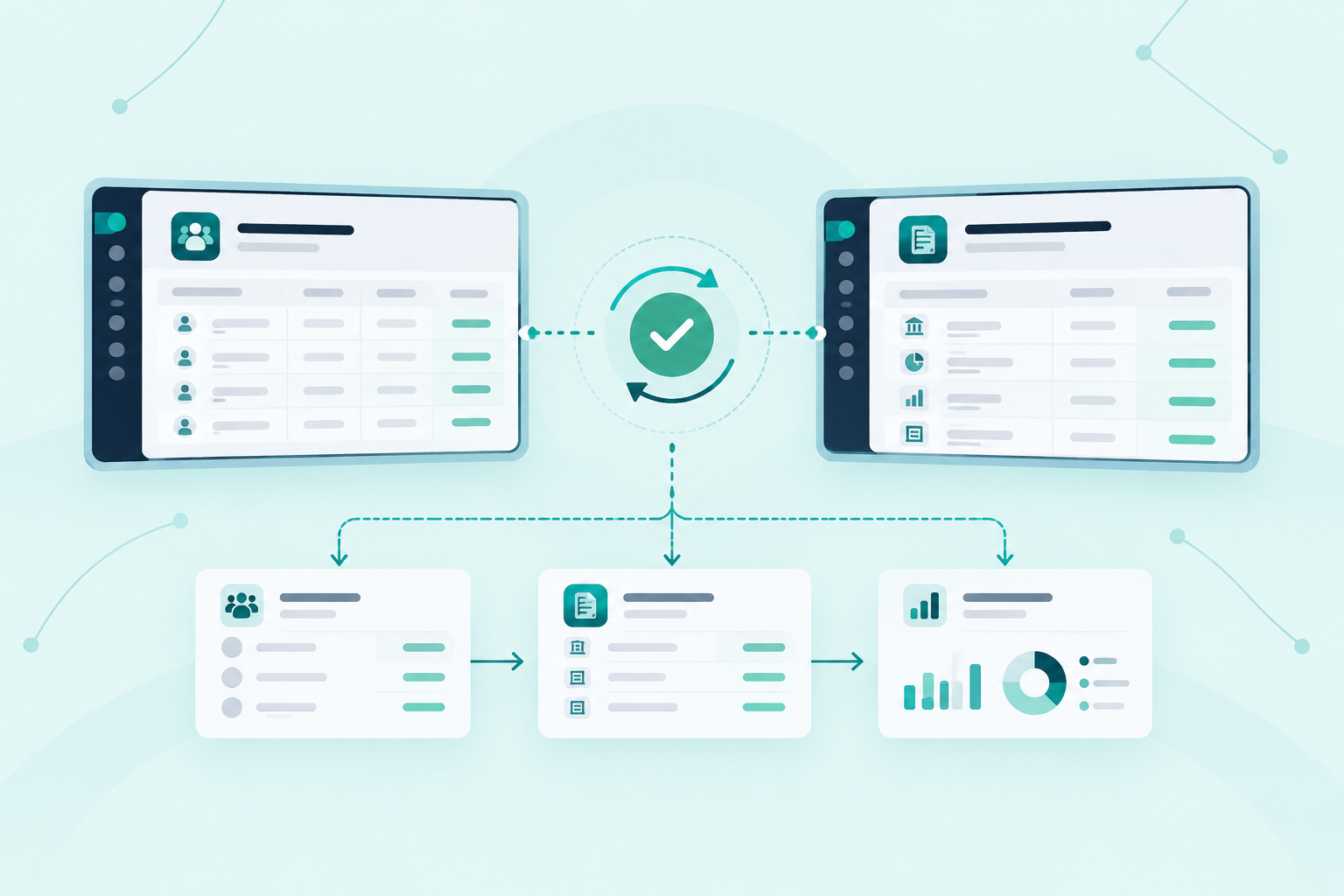
Almost every HRMS on the market claims multi-entity support. The claim is rarely the problem; the detail is. The real test is narrower: can a person move from one entity to another without losing their history, can two entities close payroll on different dates in the same month, and can someone at head office see across all of them without exporting five separate reports by hand.
Then look at the close
A system that looks the same as any other for day-to-day HR work starts to show its real shape in the last week of the month. That is when payroll locks, approvals queue up, and someone needs to know the status of every entity at once, not just their own.
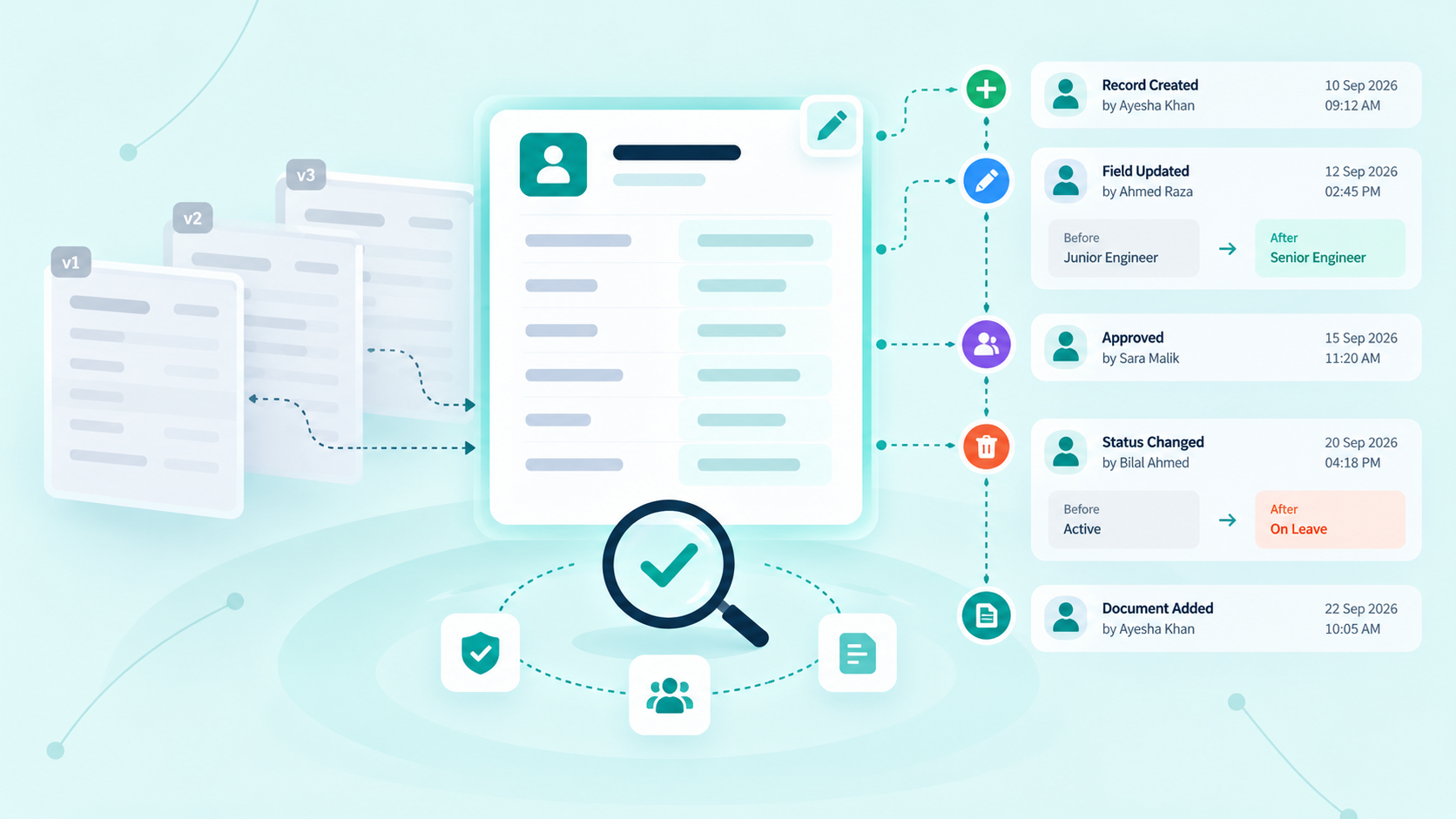
Ask a vendor to show you the close process specifically, not the employee profile screen. Who can see it lock. What happens if a correction is needed after the fact. Whether the audit trail survives the close, or whether it resets. These answers tell you more about fit than any feature comparison.
“A multi-entity HRMS isn’t judged by its longest feature list. It’s judged by what happens in the last week of the month, across every entity at once.”